
Feb 1, 2026
AI Backlash: Why Human-Centered Content Is More Important Than Ever
AI Backlash: Why Human-Centered Content Is More Important Than Ever

Feb 1, 2026
AI Backlash: Why Human-Centered Content Is More Important Than Ever
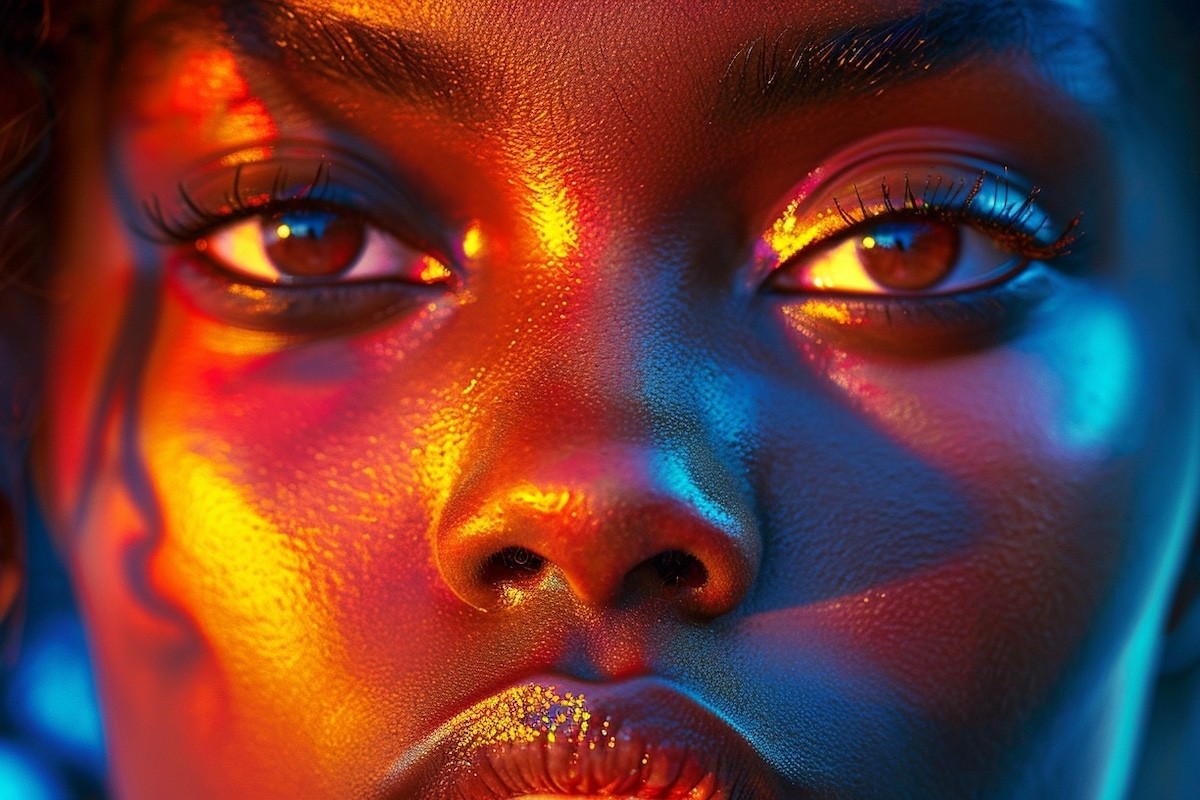
In 2024 and 2025, AI moved from being a supporting tool in marketing to becoming the main character. Brands didn’t just experiment with automation, they began building entire campaigns without human creators at all. AI-generated visuals replaced photoshoots and stockphotos. Synthetic voices and avatars replaced actors. And in some cases, AI influencers took the place of real people. For many companies, the promise was clear: lower costs, faster production, total control.
In 2024 and 2025, AI moved from being a supporting tool in marketing to becoming the main character. Brands didn’t just experiment with automation, they began building entire campaigns without human creators at all. AI-generated visuals replaced photoshoots and stockphotos. Synthetic voices and avatars replaced actors. And in some cases, AI influencers took the place of real people. For many companies, the promise was clear: lower costs, faster production, total control.
AI-generated visuals replaced photoshoots and stockphotos. Synthetic voices and avatars replaced actors. And in some cases, AI influencers took the place of real people.
At first, it looked like progress. Marketing teams could scale content instantly and publish at a pace that had never been possible before. But as more brands leaned fully into AI-driven marketing, something unexpected happened. Audiences began to disengage. Trust started to erode. And campaigns that were technically impressive failed to create emotional impact.
This is where the backlash began. Not because people reject AI, but because they reject the absence of humans. In a digital space now flooded with easily generated content, deepfakes, and synthetic personalities, authenticity is no longer a differentiator, it is the baseline. And as brands begin to feel the limits of automation, the question shifts. What does this moment mean for you as an influencer?
as more brands leaned fully into AI-driven marketing, something unexpected happened. Audiences began to disengage.
When Efficiency Replaces Empathy
One of the biggest missteps brands have made is treating AI primarily as a cost-cutting and content-scaling tool. Automation promised speed, but too often it came at the expense of emotional connection. The result has been a massive volume of content that looks correct on paper but fails to resonate with real people.
A clear example emerged in late 2024 and continued into 2025, when McDonald’s Netherlands pulled an AI-generated holiday advertisement after audience feedback described it as creepy and emotionally empty. While the technology delivered efficiency, it failed to deliver warmth. And when efficiency trumps empathy, brands ultimately pay the price.
We believe this moment is a warning sign. Content that feels hollow, over-polished, or disconnected from lived experience is no longer just ineffective. It actively damages trust. That is why we value authentic partnerships with our influencers, and always encourage influencers to only work on campaigns that truly resonate with them.
Automation promised speed, but too often it came at the expense of emotional connection. The result has been a massive volume of content that looks correct on paper but fails to resonate with real people.
The Problem with Automating a Brand Voice
A brand voice is not created through prompts. It is shaped over time through human judgment, cultural awareness, and consistency. Yet many brands have handed their voice to AI systems trained on mass-market internet language, resulting in communication that feels generic, robotic, or misaligned. The uncomfortable truth is that consumers do not dislike AI. They dislike being misled by it. Automation is welcomed when it is honest, transparent, and helpful. Backlash emerges when there is a gap between what a brand claims to be and how it actually behaves.
AI Influencers and the Trust Gap
AI influencers are no longer a novelty. With advances in generative AI, 3D design, and motion graphics, virtual personalities have become increasingly realistic and commercially attractive. Brands are drawn to them because they do not age, argue, miss deadlines, or deviate from brand guidelines.
According to a 2025 Business Insider report, the AI influencer market could surpass $1.5 billion by 2030. For companies, this represents control and scalability. For audiences, however, it raises an important question: “Can you trust a face that does not exist?”
That question became impossible to ignore during the backlash surrounding Lil Miquela, a virtual influencer who announced a fictional leukemia diagnosis as part of a campaign for a bone marrow donation nonprofit. Many audiences felt the dramatization of a real illness by a non-human character was misleading and deeply disrespectful to people living with cancer.
The controversy revealed a critical paradox. AI influencers are designed to feel human, but when simulated vulnerability is exposed as a marketing tool rather than lived experience, trust collapses quickly, and the credibility of the brands behind them collapses with it.
“Can you trust a face that does not exist?”
Human With AI, Not Human Versus AI
At Ganax, we do not see the future as human versus AI. We see it as human with AI. Forward-thinking brands are moving away from replacement and toward enhancement. AI can support creativity, personalize experiences, and streamline workflows, but it should never erase the human at the center of influence.
Real influencers are not valuable because of how perfectly they perform. They are valuable because of the communities they build, the lived experiences they bring, and the trust they earn over time. That special connection cannot be generated at scale.
Authenticity Is the New Minimum
As regulation tightens and transparency requirements increase, brands will be forced to be clearer about how AI is used. But beyond compliance, there is a deeper shift happening. In a world saturated with synthetic content, human-generated content becomes the signal of trust.
At Ganax, we believe the brands and influencers who will thrive are those who use AI responsibly, transparently, and ethically, while keeping real people at the core of storytelling. The future of influence belongs to creators who feel human, brands that act with integrity, and platforms that protect trust. And in an era of infinite automation, being real is no longer optional. It is everything.
Are you ready to embrace the future of influencer marketing? Ganax is your ticket to the big leagues - register now and let's get this party started!
AI-generated visuals replaced photoshoots and stockphotos. Synthetic voices and avatars replaced actors. And in some cases, AI influencers took the place of real people.
At first, it looked like progress. Marketing teams could scale content instantly and publish at a pace that had never been possible before. But as more brands leaned fully into AI-driven marketing, something unexpected happened. Audiences began to disengage. Trust started to erode. And campaigns that were technically impressive failed to create emotional impact.
This is where the backlash began. Not because people reject AI, but because they reject the absence of humans. In a digital space now flooded with easily generated content, deepfakes, and synthetic personalities, authenticity is no longer a differentiator, it is the baseline. And as brands begin to feel the limits of automation, the question shifts. What does this moment mean for you as an influencer?
as more brands leaned fully into AI-driven marketing, something unexpected happened. Audiences began to disengage.
When Efficiency Replaces Empathy
One of the biggest missteps brands have made is treating AI primarily as a cost-cutting and content-scaling tool. Automation promised speed, but too often it came at the expense of emotional connection. The result has been a massive volume of content that looks correct on paper but fails to resonate with real people.
A clear example emerged in late 2024 and continued into 2025, when McDonald’s Netherlands pulled an AI-generated holiday advertisement after audience feedback described it as creepy and emotionally empty. While the technology delivered efficiency, it failed to deliver warmth. And when efficiency trumps empathy, brands ultimately pay the price.
We believe this moment is a warning sign. Content that feels hollow, over-polished, or disconnected from lived experience is no longer just ineffective. It actively damages trust. That is why we value authentic partnerships with our influencers, and always encourage influencers to only work on campaigns that truly resonate with them.
Automation promised speed, but too often it came at the expense of emotional connection. The result has been a massive volume of content that looks correct on paper but fails to resonate with real people.
The Problem with Automating a Brand Voice
A brand voice is not created through prompts. It is shaped over time through human judgment, cultural awareness, and consistency. Yet many brands have handed their voice to AI systems trained on mass-market internet language, resulting in communication that feels generic, robotic, or misaligned. The uncomfortable truth is that consumers do not dislike AI. They dislike being misled by it. Automation is welcomed when it is honest, transparent, and helpful. Backlash emerges when there is a gap between what a brand claims to be and how it actually behaves.
AI Influencers and the Trust Gap
AI influencers are no longer a novelty. With advances in generative AI, 3D design, and motion graphics, virtual personalities have become increasingly realistic and commercially attractive. Brands are drawn to them because they do not age, argue, miss deadlines, or deviate from brand guidelines.
According to a 2025 Business Insider report, the AI influencer market could surpass $1.5 billion by 2030. For companies, this represents control and scalability. For audiences, however, it raises an important question: “Can you trust a face that does not exist?”
That question became impossible to ignore during the backlash surrounding Lil Miquela, a virtual influencer who announced a fictional leukemia diagnosis as part of a campaign for a bone marrow donation nonprofit. Many audiences felt the dramatization of a real illness by a non-human character was misleading and deeply disrespectful to people living with cancer.
The controversy revealed a critical paradox. AI influencers are designed to feel human, but when simulated vulnerability is exposed as a marketing tool rather than lived experience, trust collapses quickly, and the credibility of the brands behind them collapses with it.
“Can you trust a face that does not exist?”
Human With AI, Not Human Versus AI
At Ganax, we do not see the future as human versus AI. We see it as human with AI. Forward-thinking brands are moving away from replacement and toward enhancement. AI can support creativity, personalize experiences, and streamline workflows, but it should never erase the human at the center of influence.
Real influencers are not valuable because of how perfectly they perform. They are valuable because of the communities they build, the lived experiences they bring, and the trust they earn over time. That special connection cannot be generated at scale.
Authenticity Is the New Minimum
As regulation tightens and transparency requirements increase, brands will be forced to be clearer about how AI is used. But beyond compliance, there is a deeper shift happening. In a world saturated with synthetic content, human-generated content becomes the signal of trust.
At Ganax, we believe the brands and influencers who will thrive are those who use AI responsibly, transparently, and ethically, while keeping real people at the core of storytelling. The future of influence belongs to creators who feel human, brands that act with integrity, and platforms that protect trust. And in an era of infinite automation, being real is no longer optional. It is everything.
Are you ready to embrace the future of influencer marketing? Ganax is your ticket to the big leagues - register now and let's get this party started!
Are you ready?
Join the future of influencer marketing, where authenticity, collaboration, and passion-driven entrepreneurship take center stage?
Are you ready?
Join the future of influencer marketing, where authenticity, collaboration, and passion-driven entrepreneurship take center stage?
Are you ready?
Join the future of influencer marketing, where authenticity, collaboration, and passion-driven entrepreneurship take center stage?